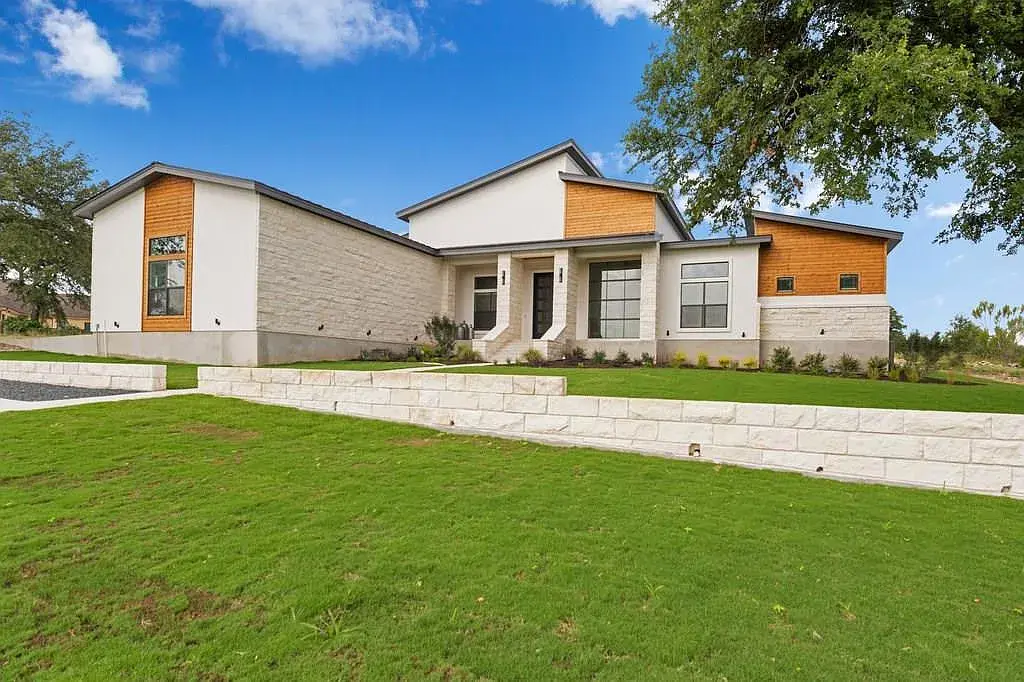
A Custom Home Built to Survive the Texas Grid.
We don't build to the absolute minimum code. Every custom home we build in Georgetown undergoes physical diagnostic testing by an independent rater to verify your insulation, ductwork, and air seals actually perform when the weather gets extreme.
The MPG Rating for Your House (And Why It Matters)
Most national volume builders do the bare minimum required by municipal code, wrap the house in standard builder wrap, and call it "efficient." You move in, turn on the AC in July, and watch your electricity bills skyrocket while your mechanical systems strain to keep up.
The Home Energy Rating System (HERS) Index is the objective, independent proof that your custom home was built right. Think of it as a miles-per-gallon rating for your house. A standard new home built to basic code scores a 100. A typical resale home averages 130.
The lower the score, the less energy you burn. A Chance Leigh custom home is physically tested to score far lower than standard code—saving you thousands in utility bills and protecting your family when the grid gets pushed to the brink.
Note: Actual HERS ratings differ slightly by custom square footage and window placements, but every Chance Leigh build is physically tested to maximize performance.
The Two Physical Tests Every Home Must Pass
We don't guess if your insulation and seals are perfect. We hire independent technicians to run real, physical tests before drywall ever goes up.
A blower-door is a heavy-duty diagnostic fan mounted into the frame of an exterior door. The fan pulls air out of your house, lowering the air pressure inside. The higher pressure air outside then tries to force its way in through any unsealed gaps in the structure.
By walking the home with infrared thermal cameras while under depressurization, the energy rater detects exactly where air leakage is occurring. We catch and seal these microscopic structural leaks before they are covered up, preventing drafty rooms and high summer cooling bills. See a tested home up close: 1322 Eagle Point Drive.
If your heating and cooling ducts are poorly sealed, your expensive conditioned air leaks directly into your attic or walls before it ever reaches your actual living spaces, forcing your HVAC systems to work twice as hard.
We connect a small diagnostic fan to your HVAC system to pressurize the ductwork and measure exact air leakage. We seal every joint with industrial-grade mastic and test it under high pressure to ensure nearly 100% of your heating and cooling goes exactly where you want it—lowering mechanical stress and keeping your bills low.
Factual Proof: Surviving the February 2021 Winter Storm.
In February 2021, the historic winter freeze disabled the Central Texas power grid and sent temperatures plummeting into the single digits. Houses built to basic codes froze, pipes burst, and thousands of families were left freezing in their own living rooms.
"The house is solid, weatherproof (think February 2021), and easy to live in. Chance will address any problem, no matter how small."
— Sallia B., Custom Homeowner, Georgetown TX (Build Completed in 2019)
Sallia's home held its heat and protected her family through the worst of the grid failure — that is what rigorous attic insulation and verified blower-door sealing buy you. The tight thermal envelope kept the interior air warm and weatherproof, protecting the family's plumbing and structural systems when it mattered most.
Talk to Chance
Ready to talk about your lot, your energy goals, and your design? Let's have a direct, honest conversation. Chance responds to every inquiry personally.
Georgetown, TX 78626
The Nitty-Gritty: The Physics Behind Every Efficient Build
The sections below get into the actual thermodynamics behind a well-built home — blower-door physics, encapsulated attics, and HVAC right-sizing. This is the technical detail that separates homes that survive Texas summers from ones that don’t. (It pairs well with the passive-solar thinking behind our floor plan designs.)
The Physics of Blower-Door & Duct-Blaster Audits
Real custom home efficiency is verified by physical diagnostics, not marketing brochures. We hire independent energy raters to run blower-door tests that depressurize your structural envelope, drawing outside air through any unsealed structural gaps.
By scanning the home with infrared thermal imaging cameras while the structural envelope is under depressurization, we locate and seal microscopic air leaks around doors, window jambs, and ceiling seams. We also run duct-blaster tests under high pressure to ensure nearly 100% of your HVAC's airflow goes directly where you want it.
The Thermal Envelope Breakthrough: Encapsulated vs. Standard Attics
To understand the thermodynamics of a high-performance home, you must look at how the attic is insulated. Most national volume builders utilize a standard ventilated attic design. They blow loose fiberglass insulation directly onto the drywall ceiling of your living spaces, leaving the attic itself exposed to outside air through soffit and ridge vents. In a Central Texas summer, outside air heating can easily drive attic temperatures up to 130 degrees or more.
This standard design forces your HVAC ductwork to run through a blazing-hot oven. Any minor leak in your ducts draws 130-degree air directly into your conditioned air stream, forcing your mechanical systems to run continuously. Conversely, Chance Leigh seals the entire underside of the roof deck with open-cell spray foam insulation, completely eliminating attic vents. This encapsulates the attic within the home's thermal pressure envelope.
By sealing the roof deck, the attic behaves like a tempered buffer zone, staying within 10 degrees of your actual living space. This removes thermal strain from your HVAC duct runs, lowers variable-speed pump cycles, and prevents extreme heat or cold from transferring into your home. This thermal seal is the primary reason why our custom homes maintain consistent room temperatures and slash monthly utility costs.
HVAC Right-Sizing & Active Dehumidification
Standard homebuilders typically use lazy, rule-of-thumb square footage equations to size HVAC units. This results in heavily oversized systems that blast cold air quickly and shut off. This rapid on-off cycling fails to remove moisture from the air, leaving your custom home feeling cold, damp, and clammy while spiking your energy bills.
By sealing the thermal envelope with open-cell spray foam insulation, Chance Leigh dramatically reduces the heat load of the home. We calculate exact Manual J load calculations to right-size your HVAC systems, utilizing variable-speed heat pumps. These systems run longer at lower, quieter speeds, continuously filtering and actively dehumidifying your home. This keeps indoor relative humidity at a comfortable, crisp 40–50% during brutal Central Texas summer days, ensuring perfect thermal comfort without freezing you out.
Build a Home That Holds Its Own
If the physics matter to you, you are exactly the kind of homeowner Chance likes building for. Bring your questions — the blower-door results speak for themselves.
Talk to Chance