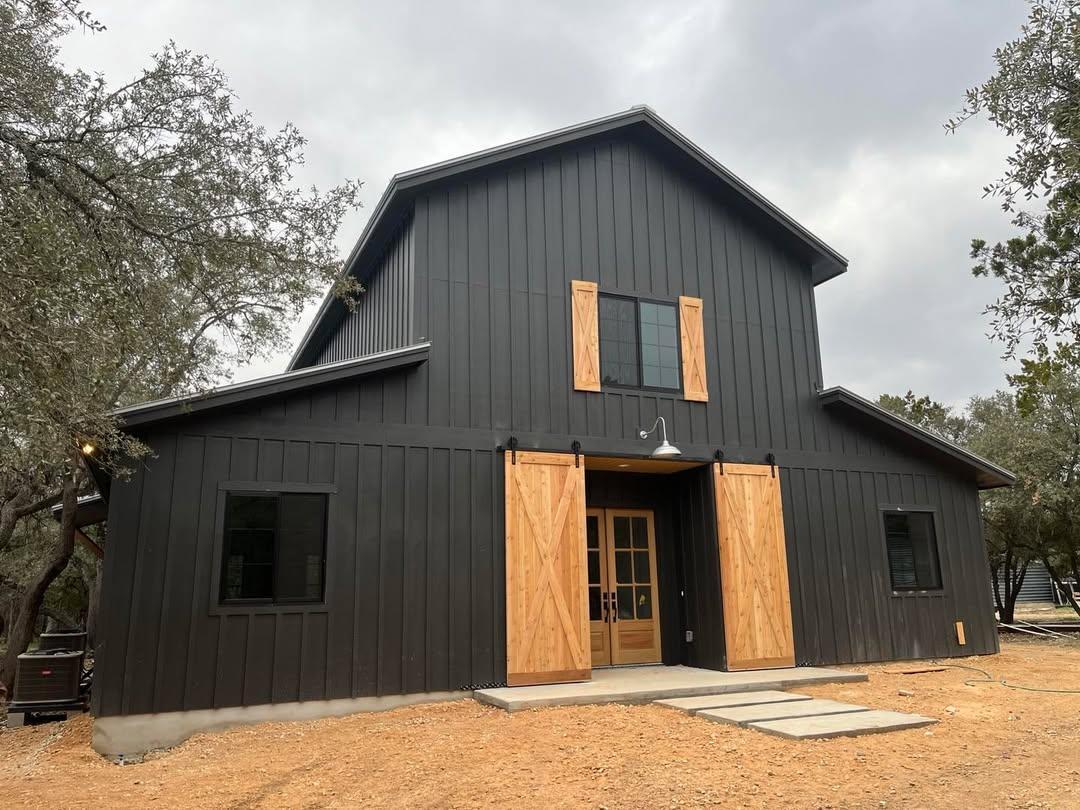
Chance Leigh custom legacy estate featuring native stonework in Georgetown Texas
Builder Standards Comparison

Custom vs. Production Home Building — What Actually Changes Behind the Walls.

Discover the stark differences between boutique custom craftsmanship and corporate production compromises. An honest comparison by Georgetown builder Chance Leigh.

Bedrock-Pinned Foundation Slabs Standard
Independent HERS Performance Verified
Builder Personally On-Site, Every Build
Builder Standards

Two Ways to Build a House in Georgetown

When shopping for a new home in Georgetown, Texas, buyers frequently find themselves choosing between two distinct building methodologies. On one side are the large national corporate builders offering ‘production’ homes. These homes are built in massive volume, using pre-packaged plans and standardized subdivisions. On the other side is a boutique custom build—a home designed specifically for your lifestyle, situated to match your unique land, and engineered with craftsman-level materials that stand straight for a century.

The differences between these two approaches are not just cosmetic. They dictate the structural safety, mechanical efficiency, and long-term maintenance costs of your home. Production building is engineered to maximize speed and margin — and the corners that get cut are behind the drywall, where you can’t see them: shifting slabs, drafty attics, and utility bills that never quite make sense. Choosing your standard is the most critical decision in your building journey. This guide details the real, on-site differences between custom quality and volume building compromises in Williamson County.

On-Site Realities

Master Craftsmanship vs. Production Speed

Volume builders treat construction as a manufacturing line. Here is how we build to a different standard:

01

Bedrock Concrete Piers vs. Floating Slabs

Volume builders pour thin concrete slabs that float directly on heaving clays. When Williamson County clays shift, these slabs bend, cracking framing and drywall. At Chance Leigh Custom Homes, we drill geotechnical concrete piers deep into Cretaceous bedrock limestone to secure our post-tension slabs, ensuring your home remains pinned for life.

Slab post-tension bedrock piers standard
02

Independent HERS Audits vs. Basic Code

Production builders use fiberglass batt insulation and drafty attics. We seal the attic with encapsulated open-cell spray foam insulation and hire independent energy raters to run blower-door and duct-blaster tests. This verified HERS performance locks warm air inside, protecting pipes and slashing utility costs.

Verified HERS energy performance testing
03

Personal Builder Management vs. Rotating Superintendents

Volume builders delegate management to field superintendents rotating between 20 active builds. When a subcontractor question occurs, they wait weeks, leading to visual defects. Chance Leigh manages your job site personally, face-to-face with trusted local subcontractors — see the full building process.

Builder-led management standard

The True Meaning of a Custom Layout

The difference between custom and production design lies in the flexibility of the space. Production builders utilize ‘plans’ where any modification is met with high costs or flat rejection. Customizing a kitchen prep zone or expanding an acreage mudroom is prohibited. You are restricted to pre-packaged materials and rigid finishes that feel sterile and repetitive.

Building a custom home with Chance Leigh means every room, structural layout, and finish is customizable to your lifestyle. We sit down with you, evaluate your sketches, map your lot’s solar exposure and heritage oaks root zones, and build a photorealistic three-dimensional model of your home. You see exactly how natural light pools in the kitchen seasonally, eliminating blueprint anxiety before we break ground.

How Direct Draws Speed Up Construction Timelines

Volume builders manage construction on corporate timelines, leading to months of delays when materials fail or labor pools shift. For smaller builders, traditional bank loans slow down progress because subcontractors must wait weeks for bank inspectors to process draws. Frustrated by bank red tape, tradesmen will walk off-site, stopping your construction.

Because we fund custom builds directly through in-house construction financing, Chance Leigh reviews and signs off on draws immediately. Subcontractors are paid within days of completing each phase. This builds unmatched subcontractor loyalty—our trusted local subcontractors prioritize Chance Leigh jobs because they know they are paid promptly. This direct draw funding keeps the build schedule moving seamlessly, saving you months off your overall construction timeline.

Comparison Answers

Frequently Asked Questions About Builder Types

We believe in upfront honesty. Here are the comparison questions custom buyers ask:

Do custom homes require site-specific soil core tests?

Yes. Unlike volume production builders who use one standardized slab design across a subdivision, we conduct independent geotechnical soil core tests on every lot. This determines the exact physical structure of your post-tension slab foundation, ensuring it is engineered to handle active clays and limestone bedrock forces.

Is a custom home’s thermal mechanical envelope different?

Yes. We seal the entire attic space with encapsulated open-cell spray foam insulation and hire independent energy raters to run diagnostic blower-door and duct-blaster tests. This airtight envelope reduces monthly utility costs, shields pipes from freezing, and protects variable-speed HVAC units from summer stress.

Why is direct builder-led management superior to rotating field managers?

True custom building means the master builder maintains active, personal supervision on site, directly collaborating with subcontractors. This prevents scheduling blackouts, ensures framing load straps and flashing details are verified, and provides direct builder-led accountability throughout the process.

Talk to a Real Builder

Request a Custom Consultation

Ready to see the difference on your own lot? Let’s walk the soil together. Chance responds personally to all inquiries.

Direct Line 512-848-1185
Email Inbox [email protected]

Your information goes to Chance — not a sales team, not a mailing list.