Chance Leigh custom legacy Hill Country home overlooking Lake Georgetown, Texas
Local Building Guide

The Unvarnished Guide to Custom Building in Georgetown.

Building a custom home in Williamson County requires serious technical knowledge, not marketing fluff. Learn how to navigate active clay soils, Historic Preservation Commission codes, and acreage utility permits.

15+ Completed Custom Builds in GISD Limits
Williamson County Geotechnical Slab Engineering
OSSF Septic & Trinity Aquifer Water Expertise
Verified Client Reviews

What Georgetown Homeowners Say

From Georgetown Square to Fredricksen Ranch — verified reviews from clients who live in homes Chance Leigh built right here.

★ ★ ★ ★ ★ Verified Google Review

“My home was struck by lightning in 2021 and completely destroyed. I desired to rebuild a custom home and after much research of builders in the greater Georgetown TX area I selected Chance Leigh Custom Homes. […] Throughout the process his concern was what I wanted, rather than what was convenient for his company. I interviewed several builders […] They are clearly a class builder.”

Roderick Graham Custom Rebuild After Total Loss — Greater Georgetown TX
Scope Full Rebuild After Lightning Loss
Selection Interviewed Several Builders — Chose Chance
Local Consultation

Walk Your Georgetown Lot

Have a lot in Georgetown, or currently searching for acreage in Williamson County? We can walk the site together, perform an initial soil assessment, map utility routes, and evaluate aquifer wells. Chance responds personally to all submissions.

Direct Line 512-848-1185
Email Inbox [email protected]

Your information goes to Chance — not a sales team, not a mailing list.

Native Sourcing & Codes

Sourcing Local Cream Limestone & Navigating Historic Codes

Building a legacy custom home in Georgetown means respecting Central Texas geology and historic architecture. We source our authentic Georgetown Cream Limestone directly from local Williamson County quarries, ensuring every stone course and masonry fireplace settles beautifully into the limestone ledge landscape.

If you are building within the Georgetown Historic District, you face strict guidelines enforced by the Historic Preservation Commission. We balance high-performance energy-efficiency encapsulation with these aesthetic rules, engineering proper wood trim ratios, historic timber detailing, and standing-seam metal roofs that preserve historic character without compromising your home's thermal envelope.

Browse Local Floor Plans
Detailed wooden trusses and Texas limestone interior masonry of a completed Georgetown custom home
On-Site Realities

Georgetown Neighborhood Guide

Different pockets of Georgetown have distinct geological and zoning rules. Here is a technical, on-site breakdown of how we build in each area:

01

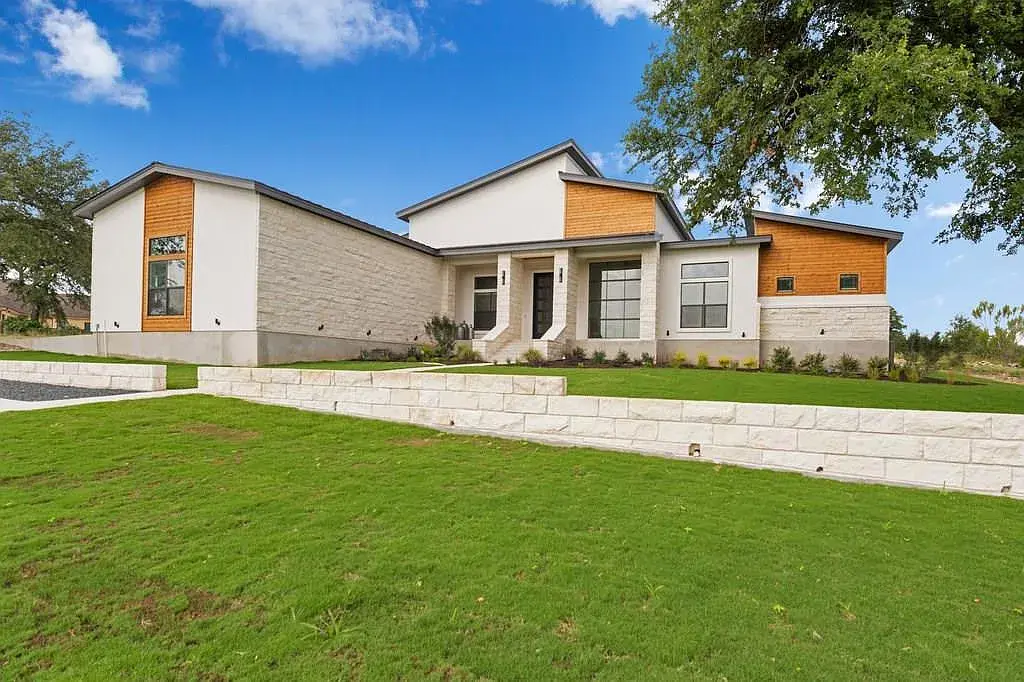
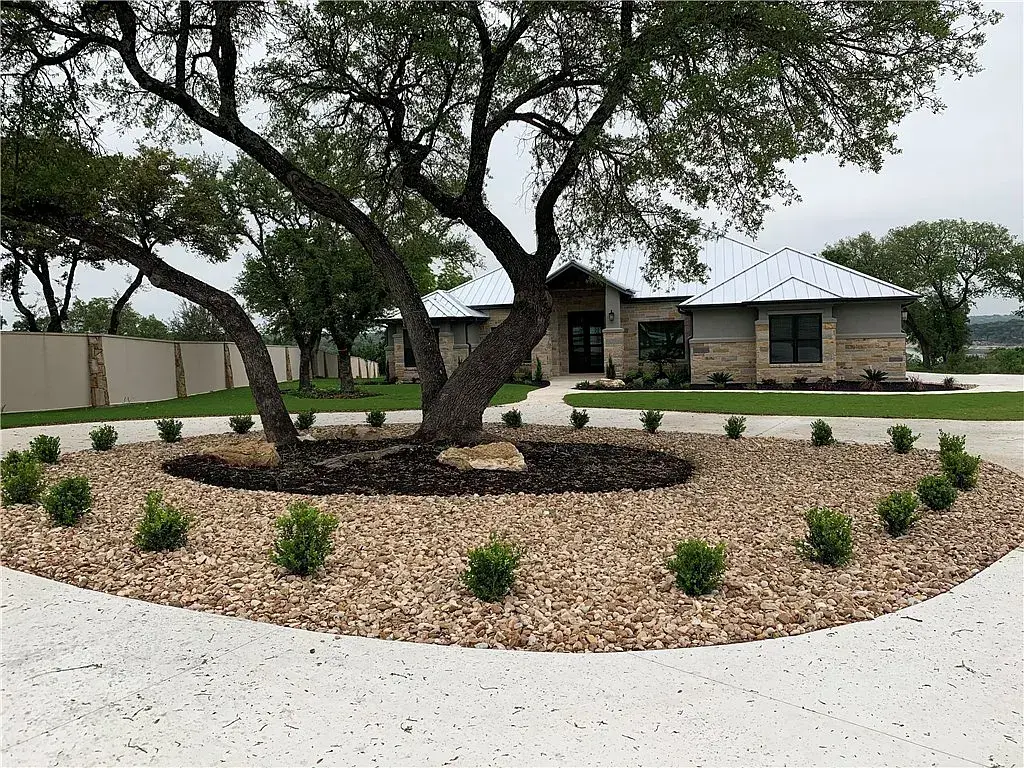
Lake Georgetown Area — see a completed build

Sprawling 1+ acre lakeside lots. Sits within the sensitive Edwards Aquifer Recharge Zone, requiring strict stormwater erosion control plans and TCEQ compliance. Foundations are engineered to pin directly into the solid limestone shelf, eliminating slab shifting.

Requires strict TCEQ drainage alignment
02

Falcon Flight (Georgetown East) — see a completed build

Transitional country properties located in Georgetown ISD (GISD) boundaries. This area features active Williamson County black clay soil. We perform site-specific core drillings on every lot, utilizing deep concrete piers to anchor the post-tension slab foundation securely.

Geotechnical core drilling & slab piers standard
03

Crockett Gardens & Unincorporated

Raw acreage tracts. Lacking municipal utility hookups, these sites require private infrastructure development. We manage the entire physical setup—drilling private water wells deep into the Trinity Aquifer and engineering custom OSSF aerobic septic systems.

Aerobic OSSF & Private Trinity Wells
Upfront Coordination

Georgetown Permitting & Utilities

We handle all the local county, city, and environmental permitting work upfront. Here is what is required based on your lot location:

Jurisdiction & Zone Zoning & Aesthetic Codes Utility & Permit Mandates
Historic Georgetown Limits Historic Preservation Commission guidelines. Masonry ratios, pitch angles, and timber detailing restrictions apply. Certificate of Appropriateness. Municipal tap connections for water and electric. City permit draws.
Unincorporated Lake Georgetown No city zoning, but strict Edwards Aquifer Recharge Zone stormwater plans and TCEQ limits. Williamson County OSSF Septic permit, Trinity Aquifer drilling permit, Chert/clay core drillings.
East Georgetown (GISD Acreage) No architectural code, standard county setbacks, drainage alignments within GISD limits. Soil geotechnical profile, engineered slab with deep piers to mitigate black clay movement.

Williamson County's Black Land Prairies vs. The Hill Country Ledge

Central Texas geology is divided by a major subterranean boundary line known as the Balcones Fault Zone. In Georgetown, this creates two entirely distinct building environments within a single zip code. To the east of IH-35 lie the deep, agricultural soils of the Blackland Prairie. This ground consists of high-plasticity clay that expands aggressively when saturated and cracks into deep fissures during dry summer months. Clay soils in this area can exert upward swelling pressures of up to 10,000 pounds per square foot, which easily lifts, cracks, and shears standard concrete slabs that float directly on the surface.

To the west of the fault line, the landscape transitions into the Edwards Plateau, characterized by a thin layer of topsoil resting on a massive, fractured limestone ledge. Building here requires a completely different technical approach. Instead of fighting heaving clay, we must frequently jackhammer and core drill through solid stone to route utility lines and set structural footings. Understanding this geological line is the difference between a custom build that stands straight for a century and one that suffers major foundation settling within five years.

Georgetown is Chance Leigh’s home market — the anchor of his Williamson County practice — where his permit history runs deepest and where this geological knowledge is most concentrated. On every lot he builds, regardless of jurisdiction, Chance Leigh Custom Homes conducts independent, site-specific geotechnical engineering core tests before laying out a footprint. This geological mapping determines the exact physical structure of your foundation, allowing our structural engineers to design a custom slab that handles the precise geological forces under your unique home site.

The Georgetown Permitting Lifecycle: City & County Bureaucracy

Navigating the regulatory framework of municipal Georgetown and Williamson County requires deep, long-standing relationships with regional planning committees. If your custom lot lies within the city limits or the Extraterritorial Jurisdiction (ETJ), you are subject to unique development guidelines. For example, Georgetown enforces a strict Tree Preservation Ordinance designed to protect our historic canopy of mature heritage oaks. Removing or building near any oak tree with a trunk diameter of 12 inches or larger requires a certified arborist survey, custom root protection zones, and formal mitigation plans.

Furthermore, custom lots sitting west of IH-35 often lie within the environmentally sensitive Edwards Aquifer Recharge Zone. Siting a home in this region requires coordinating with the Texas Commission on Environmental Quality (TCEQ) to secure a Water Pollution Abatement Plan (WPAP). Silt fences, temporary sediment basins, and strict limits on impervious cover are legally mandated to prevent stormwater runoff from entering the aquifer's karst limestone openings.

Chance Leigh manages this complex regulatory sequence directly on your behalf, coordinating surveys, engineering submissions, and building inspections with Williamson County and City officials. We ensure your permits are secured upfront without unexpected delays, protecting your build timeline and preventing costly regulatory surprises down the road.

Soil Expansion Mechanics & Bedrock Pier Engineering in Central Texas

The heaving clay soil of Williamson County is the primary cause of foundation failures in Central Texas. The regional soil has a high plasticity index, meaning it swells aggressively when wet and shrinks during hot, dry summer droughts. Most national volume builders pour thin, shallow concrete slabs that float directly on top of this moving dirt. When the soil shifts, the slab bends, cracking your tile, warping your door frames, and compromising your structural frame.

At Chance Leigh Custom Homes, we do not guess on foundation design. We drill concrete piers deep into the solid Cretaceous limestone bedrock stratum (the Austin Chalk formation). Chance Leigh’s daily presence on every job site guarantees that every core drilling is verified, and every pier is anchored directly into the solid rock. This transfers the structural load of your home deep into the earth, ensuring your foundation remains pinned for life.

Historic District Setbacks & Architectural Harmony

Building a custom home within the municipal limits of Georgetown requires navigating unique setback requirements and historic code guidelines. The Georgetown Historic Preservation District enforces strict rules on building heights, roof pitches, window styles, and visual setbacks to preserve the character of our historic downtown square.

We work directly with local planning committees and regional quarries to source hand-laid Georgetown Cream limestone that matches the historic limestone architecture of Central Texas. By coordinating your custom home's geometry with local setbacks and school routing boundaries (GISD), we ensure your home settles beautifully into the local landscape while respecting our community's architectural history.

Beyond the Lot Lines

What Families Weigh When They Choose Georgetown

The geology above is our job. The decision below is yours — and after years of lot walks, these are the three things Georgetown buyers tell us actually decided it.

01

The Square Is the Sales Pitch

Georgetown’s courthouse square is routinely called the prettiest in Texas, and the town built its identity around it — the Red Poppy Festival, the farmers market, restaurants in hundred-year-old storefronts. Buyers who tour the master-planned corridors and then drive the Square tend to stop comparing. And for the empty-nest side of an equity move, Sun City’s presence next door means parents and friends often land minutes away.

02

GISD, Confirmed Lot by Lot

Most of our Georgetown builds zone to Georgetown ISD — East View or Georgetown High feeders — while western acreage can cross into Liberty Hill or Leander ISD lines. District boundaries out here do not follow intuition, so we confirm the exact feeder pattern on any tract before you commit, not after.

03

Lake, River, and the Land Between

Lake Georgetown’s 1,300 acres of water and the San Gabriel’s forks thread the west side with trails, parks, and the kind of topography production builders avoid — which is exactly why the best view lots are still custom territory. East of IH-35, Falcon Flight-style acreage delivers more land per dollar fifteen minutes from the Square.

The Tax Line Most Relocating Buyers Miss

Jurisdiction decides one of your largest annual bills: inside Georgetown city limits your appraisal carries the city rate on top of county and GISD lines, while unincorporated tracts and much of the ETJ skip that line item entirely — on a custom-build appraisal, real money every year. [ADD: current-year rate comparison or link to the Williamson County tax office before deploy] We map the jurisdiction of every lot we walk, because it changes the permit path and the tax bill in the same stroke.
Common Queries

Georgetown Custom Building FAQ

What are the building requirements in Georgetown's Historic District?

Building within Georgetown's Historic District requires strict compliance with the Historic Architectural Review Commission (HARC) rules. This governs siding materials (such as local cream limestone), window dimensions, roof pitches, and trim profiles, balancing aesthetic preservation with modern high-performance thermal seals.

How do soil conditions vary across Georgetown TX?

Georgetown has extreme soil variation divided by Interstate 35. The eastern side sits on highly plastic, active heaving Blackland Prairie clay requiring steel-reinforced concrete piers pinned to deep bedrock. The western side rests on the stable Glen Rose/Edwards limestone shelf, requiring hydraulic rock hammer excavation.

What permits are required to build a custom home in Georgetown?

Permitting depends on your lot's jurisdiction. City limits require building permits, zoning setback compliance, and arborist reviews (protecting heritage oaks over 12" DBH). Extra-Territorial Jurisdiction (ETJ) builds require Williamson County OSSF septic approvals and TCEQ Water Pollution Abatement Plans (WPAP) for aquifer watersheds.

What tree preservation guidelines apply in Georgetown?

Building in Georgetown requires complying with the local Tree Preservation Ordinance. Any heritage tree with a trunk diameter of 12 inches or greater DBH (diameter at breast height) requires certified arborist root mapping and strict protection barriers, with layout adjustments to avoid root zone compaction.

Do you provide in-house construction financing in Georgetown?

Yes. We offer direct in-house construction financing to fund our builds. By bypassing commercial bank red tape and third-party appraisal inspections, we review and fund draws immediately. This ensures subcontractors are paid instantly, keeping the region's best craftsmen committed to your build.

Also in Georgetown

If your lot or project falls within Georgetown's historic overlay districts — the Old Town District, the Downtown District, or the area subject to HARC review — the permitting and design process is substantially different. Chance has 51+ projects in the historic core and a dedicated guide to how that work actually gets done.

Old Town Georgetown Builder Guide