Raw Acreage Feasibility: Siting, Access, Grading, and Drainage
A rural acreage lot is different from a homesite inside a planned subdivision. There may be no pre-engineered building pad, no standard driveway approach, no public sewer connection, and no municipal water tap already waiting for the house.
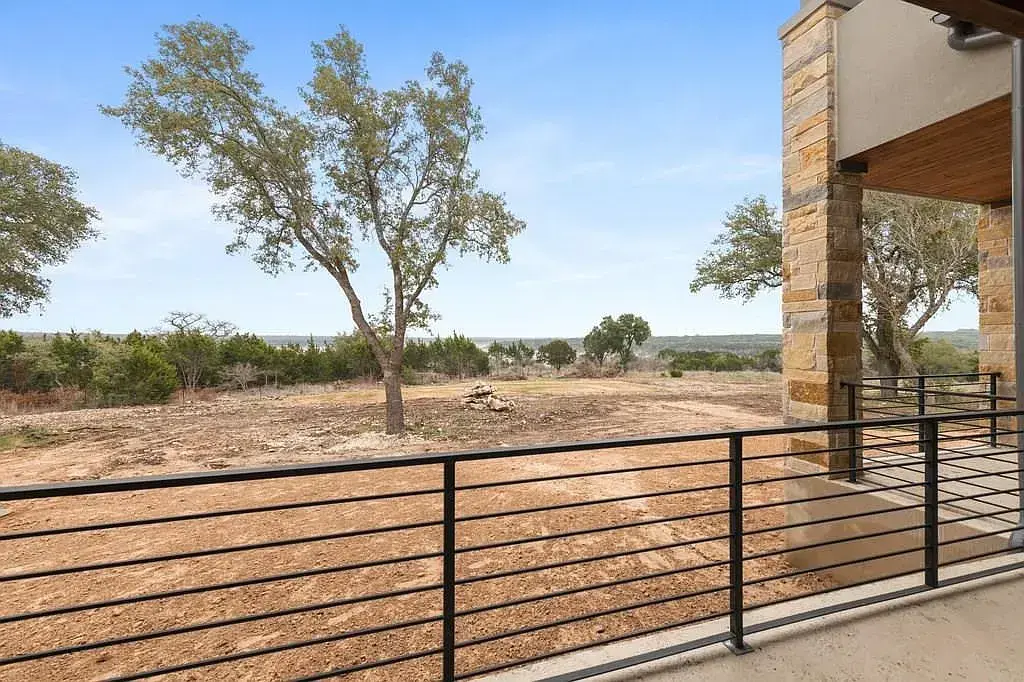
Before design moves too far, the property needs to be evaluated for slope, drainage, access, soil conditions, tree placement, utility routing, and the most practical location for the home. On Georgetown-area acreage, those early decisions can affect excavation cost, driveway length, septic placement, foundation design, and how naturally the home sits on the land.
Grading and drainage matter because Central Texas properties can include limestone, clay soil, uneven terrain, and fast stormwater movement during heavy rain. The goal is to place the home where the land works with the build, not against it.
Site and Pad Placement
The home location affects drainage, views, driveway access, tree preservation, utility runs, septic setbacks, and foundation planning.
Drainage and Stormwater
The building pad and surrounding grade need to move water away from the foundation and usable outdoor areas.
Construction Access
Concrete trucks, framing deliveries, equipment, and trade vehicles need a practical route that avoids unnecessary damage to the property.
Private Septic, OSSF Planning, and County Requirements
Many rural and ETJ lots around Georgetown and Williamson County are outside public sewer service. Those properties may require an on-site sewage facility, commonly called an OSSF, designed around the soil, acreage layout, home location, and county requirements.
Septic planning is not separate from the home design. The system location can affect where the house sits, where the driveway runs, where outdoor living areas belong, and how much usable land remains. Soil conditions, slope, easements, water features, wells, property lines, and neighboring improvements can all influence placement.
For some properties, a conventional system may be possible. Other lots may require an aerobic system, drip field, spray field, or a different engineered approach. The right answer depends on the land, which is why the septic conversation needs to happen early.
Private Wells, Aquifer Considerations, and Utility Routing
If municipal water is not available, a Georgetown-area acreage build may require a private well. Depending on the property, that can involve Trinity Aquifer or Edwards Aquifer considerations, drilling access, pump sizing, pressure needs, storage, filtration, and electrical service to the well equipment.
Well placement also has to be coordinated with septic setbacks, property lines, driveways, utility routes, and the long-term use of the land. A well, septic system, propane tank, underground electric service, driveway, home footprint, and outdoor spaces all need to work together.
These decisions are part of why a build-on-your-lot project should start with the property itself. The land determines the infrastructure, and the infrastructure influences the final design.
Foundation Planning for Central Texas Soil
Central Texas soil conditions can vary from one property to another. Clay movement, limestone depth, drainage patterns, and slope can all affect the foundation design. On acreage builds, the slab should be planned for the actual homesite, not treated like a generic subdivision pad.
Site-specific geotechnical information helps the structural engineer determine what the foundation requires. That may affect piering, slab design, excavation, drainage, and final construction cost.
Build-on-Your-Lot Questions
Do I need a septic system to build on rural land near Georgetown?
Many custom lots in unincorporated Williamson County are outside public sewer service and may require a private on-site sewage facility, or OSSF. The right system depends on the soil, lot layout, home placement, and county requirements.
How does water work if there is no city water on my acreage lot?
If municipal water is unavailable, the property may require a private well. Well feasibility, aquifer considerations, pump sizing, storage, filtration, and utility routing should be evaluated early.
Why do Williamson County clay soils need special foundation planning?
Central Texas clay can shrink and swell as moisture changes. Site-specific geotechnical information helps the structural engineer design the foundation for the actual homesite.
What is ETJ land?
ETJ stands for extraterritorial jurisdiction. It generally refers to unincorporated land outside city limits, where private utilities, county approvals, and site-specific infrastructure may be part of the build.
Related resources:
Acreage lot evaluation guide,
custom home building costs, and
Chance Leigh’s building process.